Business property owners face significant risks from storm-related roof damage. Understanding these risks is vital for effective management. After a storm, identifying signs of damage can prevent costly repairs down the line. Immediate actions can mitigate further issues. However, long-term strategies are necessary for resilience against future storms. Knowing how to navigate insurance claims and work with contractors can make all the difference. What steps should be taken to guarantee thorough protection?
Key Takeaways
- Conduct a thorough post-storm inspection to identify visible roof damage and ensure the safety of your business property.
- Document all damage with photos and notes to support your insurance claim process effectively.
- Contact your insurance company promptly to report damage and understand your coverage options and claim procedures.
- Hire a licensed roofing contractor for a professional assessment and necessary repairs to restore your roof’s integrity.
- Implement long-term solutions, such as impact-resistant roofing materials, to enhance resilience against future storms.
Understanding the Risks of Roof Damage From Storms
When severe weather strikes, the risk of roof damage from storms becomes a critical concern for property owners. Storms can release powerful winds, hail, and heavy rainfall, which can compromise the integrity of roofing systems. These elements can lead to leaks, missing shingles, or even structural damage, jeopardizing the safety and security of the property. Understanding the risks associated with roof damage allows owners to take proactive measures, such as regular inspections and maintenance. Additionally, being aware of local weather patterns can help in preparing for potential storms. By prioritizing roof care, property owners can foster a sense of belonging within their community, ensuring that their investments and the well-being of their occupants are safeguarded against nature’s unpredictable forces.
Signs of Roof Damage After a Storm
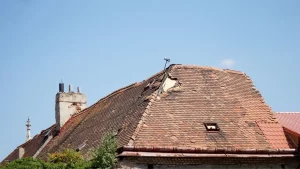
After experiencing a storm, property owners should remain vigilant for signs of roof damage from storms. Common indicators include missing or damaged shingles, as well as granules accumulating in gutters. A sagging roofline can suggest structural issues, while water stains on ceilings or walls may indicate leaks. Additionally, check for exposed nails or debris on the roof, which can compromise integrity. It is also essential to inspect flashing around chimneys and vents, as these areas are prone to damage. Property owners should document any visible issues with photos for insurance purposes. Early detection of roof damage from storms can prevent more extensive problems, ensuring the safety and longevity of the property.
Immediate Steps to Take Following Storm Damage
Following a storm, property owners must act swiftly to address potential roof damage from storms to mitigate further issues. The first step is to conduct a thorough inspection of the roof, looking for visible signs of damage such as missing shingles or leaks. If safe, property owners should document the damage with photos for insurance purposes. Next, they should contact their insurance company to report the damage and begin the claims process. It is advisable to seek professional help from a licensed roofing contractor to assess the damage accurately. Temporary repairs, such as covering leaks with tarps, may be necessary to protect the interior of the building until permanent repairs can be made. Prompt action can prevent costly future repairs.
Long-Term Solutions for Storm-Resistant Roofing
Implementing long-term solutions for storm-resistant roofing is vital for property owners seeking to protect against roof damage from storms. Utilizing materials such as impact-resistant shingles or metal roofing can greatly enhance durability. Additionally, proper installation and regular maintenance are essential; hiring qualified professionals guarantees that roofs are installed to withstand harsh weather conditions. Property owners should also consider incorporating features like reinforced underlayment and improved drainage systems to prevent water accumulation. Moreover, investing in roof upgrades, such as adding ventilation, can help manage temperature fluctuations, reducing wear and tear. By taking these proactive measures, property owners create a resilient roofing system that not only safeguards their investment but also fosters a sense of security within their community.
Working With Insurance and Contractors for Roof Repairs
Addressing roof damage from storms requires not only the right materials and installation techniques but also effective collaboration with insurance companies and contractors. Business owners should start by documenting the damage thoroughly with photographs and detailed notes. This documentation will assist in filing a thorough insurance claim. Engaging with a reputable contractor is essential; they can provide estimates, explain repair processes, and guarantee compliance with local building codes. Clear communication with both the insurer and contractor is critical for a smooth claims process. Understanding policy details, including coverage limits and deductibles, will also empower business owners to make informed decisions. By fostering these relationships, they can navigate the complexities of roof repairs efficiently, guaranteeing their properties are restored effectively.
Frequently Asked Questions
How Can I Prevent Roof Damage From Storms in the Future?
To prevent roof damage from storms, regular inspections, proper maintenance, and reinforcing roofing materials are essential. Additionally, investing in high-quality shingles and ensuring adequate drainage can greatly reduce vulnerability to severe weather conditions.
What Types of Roofs Are Best for Storm Resistance?
Metal roofs, slate, and impact-resistant shingles are ideal for storm resistance. They offer durability and enhanced protection against severe weather conditions, minimizing the risk of roof damage from storms and ensuring long-term safety for property owners.
Will My Warranty Cover Storm-Related Roof Damage?
Warranties typically cover storm-related roof damage, but specifics vary by provider. It’s essential to review the warranty terms and conditions, ensuring that the damage is included and understanding any necessary documentation for claims submission.
How Often Should I Inspect My Roof for Storm Damage?
Roof inspections should occur at least twice a year, ideally after major storms. Regular checks help identify storm damage early, allowing for timely repairs and protecting the overall integrity of the property.
Can I Claim Roof Damage From Storms on My Taxes?
Yes, individuals can potentially claim roof damage from storms on their taxes, provided it meets criteria for casualty losses. Consulting a tax professional is advisable to guarantee proper documentation and eligibility for such claims.
Conclusion
In summary, safeguarding business properties against storm-related roof damage requires vigilance and proactive measures. Regular inspections, prompt assessments after storms, and clear communication with insurance providers are essential. Engaging experienced roofing contractors for repairs guarantees that damage is addressed effectively. By investing in durable roofing materials and maintaining the system, property owners can better prepare for future weather events, ultimately protecting their investment and securing the longevity of their roofing infrastructure.
You May Also Like To Read: